
What Type of Wood Is Most Durable for Bedroom Furniture
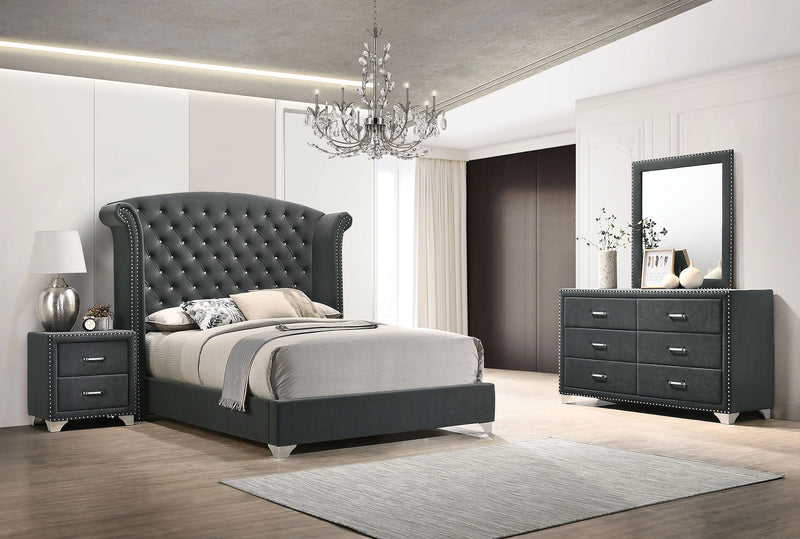
Hardwoods like oak, maple, and walnut offer the best durability for bedroom furniture, resisting dents, warping, and daily wear far better than softwoods or particleboard. Solid wood beds and dressers built from these species retain structural strength for decades, developing richer grain character with age instead of breaking down under regular household use.
Why does wood type matter for bedroom furniture?
Wood type determines whether a bed frame, dresser, or nightstand survives daily use for decades or begins showing wear within a few years. Solid wood furniture brings durability, charm, and customizability that mass-produced pieces cannot match. Choosing the wrong wood means replacing furniture prematurely, wasting money, and living with a piece that lacks character.
How does wood choice affect a bed's appearance?
The wood species directly controls the visual personality of Bedroom Furniture. From grain texture to finish tone, the wood a customer selects plays a significant role in how a bed looks and functions. Oak offers bold, pronounced grain patterns with warm reddish undertones. Cherry darkens gracefully over time, developing a rich patina. Walnut provides deep chocolate-brown hues with subtle, straight grain. Maple presents a clean, uniform surface that accepts light stains evenly. Each species creates a fundamentally different aesthetic, so matching wood to the room's existing style prevents costly mismatches.
What happens when a buyer ignores wood durability?
Durable wood should top any shopper's list when choosing pieces intended to last for years. Not all woods perform the same under stress. Specific types stand out for their strength, longevity, and ability to maintain beauty under daily use. A softwood like pine dents easily from normal activity; a dropped book or bumped corner leaves permanent marks. Hardwoods such as oak, maple, and cherry resist impact and support heavy mattresses without sagging. The table below compares common options:
|
Wood Type |
Hardness |
Best For |
Risk of Damage |
|---|---|---|---|
|
Oak |
High |
Bed frames, heavy use |
Low |
|
Maple |
High |
Dressers, nightstands |
Low |
|
Cherry |
Medium-High |
Statement pieces |
Moderate |
|
Pine |
Low |
Budget frames |
High (dents, scratches) |
Selecting a wood that matches the room's traffic level and the sleeper's weight prevents premature replacement. A frame built from the wrong species costs more in the long run than investing in the right one upfront.

Is oak the most durable wood for bedroom furniture?
Oak stands as the strongest and most reliable hardwood for Bedroom Furniture frames. For most shoppers, oak is the best wood for a bed frame because it is strong, durable, widely available, and dependable for everyday use. Choosing a lesser wood risks sagging, cracking, or structural failure within a few years. A costly mistake that forces replacement long before the frame should wear out.
How does red oak compare to white oak for durability?
Red oak offers bold grain patterns and warm, reddish tones that give furniture striking appeal. Its dense structure withstands heavy use, making it perfect not only for bed frames but also for dining tables, coffee tables, or stair accents. White oak, while slightly harder and more moisture-resistant, shares the same fundamental strength. Both varieties handle heavy mattresses and larger bed sizes like Queen and King without bowing or creaking over time.
|
Oak Type |
Janka Hardness |
Grain Pattern |
Best Use Case |
|---|---|---|---|
|
Red Oak |
1,290 lbf |
Bold, open grain |
Bed frames, dining tables, high-traffic furniture |
|
White Oak |
1,360 lbf |
Subtle, closed grain |
Bed frames, outdoor-adjacent pieces, heavy-use items |
What makes oak outperform other hardwoods for bed frames?
Oak's cellular structure provides natural shock resistance that softer woods like pine or poplar lack. A pine bed frame may show indentations from mattress weight within 12-18 months. Oak maintains its shape and finish for decades. The wood's availability also keeps costs reasonable. Buyers get genuine hardwood durability without paying premium prices associated with walnut or cherry. For a family investing in bedroom furniture meant to last through moves, growing children, and daily use, oak delivers the highest strength-to-cost ratio of any domestic hardwood.
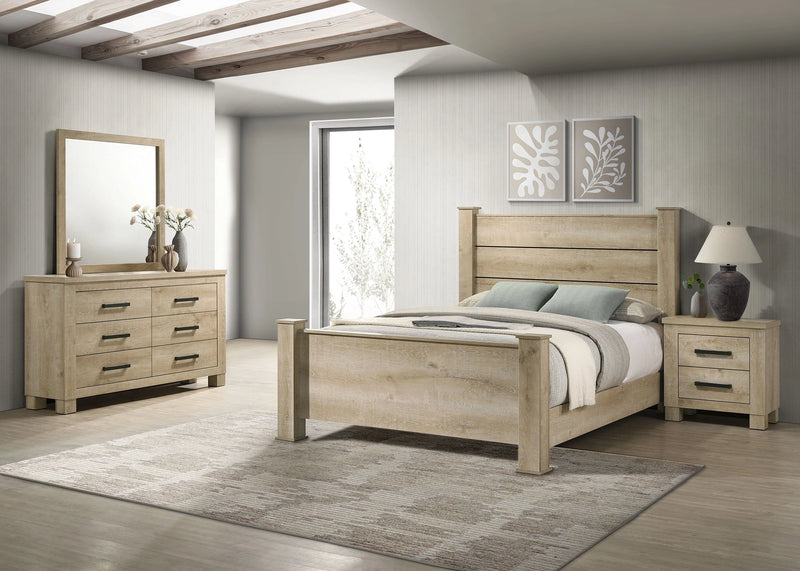
What makes cherry wood a top choice for bedroom sets?
Cherry wood ranks as the most popular hardwood among the four species Vermont Woods Studios uses for Bedroom Furniture because of its regional abundance, natural beauty, and proven durability. This American-grown hardwood offers homeowners a sustainable option that withstands decades of daily use without sacrificing visual warmth.
Why is cherry wood considered a sustainable hardwood choice?
Cherry wood grows locally in American forests, which reduces the environmental cost of long-distance shipping. Vermont Woods Studios prioritizes regionally sourced materials, and cherry fits that criteria perfectly. Choosing locally grown cherry supports domestic forestry practices rather than imported tropical woods that often arrive through questionable supply chains.
How does cherry wood compare to other hardwoods for bedroom sets?
|
Feature |
Cherry Wood |
Other Hardwoods (Oak, Maple, Birch) |
|---|---|---|
|
Popularity |
Most popular choice |
Less frequently selected |
|
Regional availability |
Abundant in American forests |
Varies by species |
|
Long-term wear resistance |
Stands up to a lifetime of use |
Durable but varies |
|
Color evolution |
Darkens to rich reddish-brown over time |
Stays relatively stable |
Cherry wood develops a deeper, warmer patina as it ages, a characteristic that sets it apart from oak or maple. The wood's fine, straight grain accepts finishes evenly, creating a smooth surface that feels refined to the touch. For homeowners investing in pieces meant to last decades, cherry delivers both structural integrity and evolving aesthetic appeal. The combination of local sourcing, proven longevity, and unmatched popularity makes cherry wood the clear frontrunner for anyone building a cohesive bedroom set.

How does walnut compare to other hardwoods for durability?
Walnut ranks among the most durable hardwoods for Bedroom Furniture, standing up to a lifetime of daily use alongside species like cherry, maple, oak, and birch. A walnut bed frame or dresser resists dents. Scratches through decades of service, matching the longevity of domestic favorites while offering a richer, darker color palette. Choosing walnut means selecting a wood that combines strength with visual depth. A rare combination that explains its premium reputation.
Is walnut stronger than oak for a bed frame?
Oak edges out walnut in raw hardness, making it the traditional choice for heavy-use furniture like dining tables and stair treads. Walnut, however, delivers sufficient strength for any bed frame while weighing less and resisting warping over time. For a king-size bed supporting a heavy mattress. For a king-size bed supporting a heavy mattress, two sleepers of walnut provide all the structural integrity needed without the added weight of oak.
Why do some furniture makers recommend domestic woods over walnut?
Walnut is often imported, and some American furniture makers recommend choosing locally grown hardwoods like cherry or maple instead. Imported woods can come from tropical rainforests where logging practices raise environmental concerns. Domestic hardwoods offer comparable durability with a lower carbon footprint and support regional economies. A customer prioritizing sustainability might select a locally sourced cherry or oak bed over an imported walnut piece, gaining similar longevity with a clearer conscience.
|
Wood Species |
Durability Rating |
Typical Origin |
Best For |
|---|---|---|---|
|
Walnut |
High |
Imported (often tropical) |
Statement beds, dark finishes |
|
Oak |
Very High |
Domestic (U.S.) |
Heavy-use frames, traditional styles |
|
Cherry |
High |
Domestic (U.S.) |
Heirloom pieces, warm tones |
|
Maple |
High |
Domestic (U.S.) |
Modern designs, painted finishes |
Can maple withstand daily use in a bedroom?
Maple withstands daily bedroom use exceptionally well. This hardwood stands up to a lifetime of wear and tear, making it a reliable choice for bed frames, dressers, and nightstands. Choosing a softer wood for a master bedroom frame invites scratches, dents, and sagging within the first few years. Maple resists those failures.
How does maple compare to other hardwoods for bedroom furniture?
Maple belongs to the same durable family as cherry, walnut, oak, birch, and ash. Vermont Woods Studios works primarily with these four hardwoods because they are abundant in the region and beautiful. The key difference lies in maple's density. Maple has a tighter, more uniform grain than oak, which gives it a smoother surface that hides fewer dents. Oak shows more grain character. Maple offers a cleaner, more contemporary look that holds up under heavy mattresses and daily climbing in and out of bed.
|
Wood Type |
Durability for Daily Use |
Grain Appearance |
|---|---|---|
|
Maple |
Excellent - resists dents and scratches |
Fine, even, subtle |
|
Oak |
Excellent - very hard |
Bold, pronounced |
|
Cherry |
Good - softer than maple |
Smooth, darkens with age |
Is maple a sustainable choice for Bedroom Furniture?
Maple is grown locally in America, which makes it a sustainable option for Bedroom Furniture. Vermont Woods Studios recommends choosing woods grown locally rather than imported tropical species. Domestic maple avoids the environmental cost of long-distance shipping and the risk of illegally harvested rainforest timber. A maple bed frame supports regional forestry practices while delivering the strength needed for decades of nightly use.
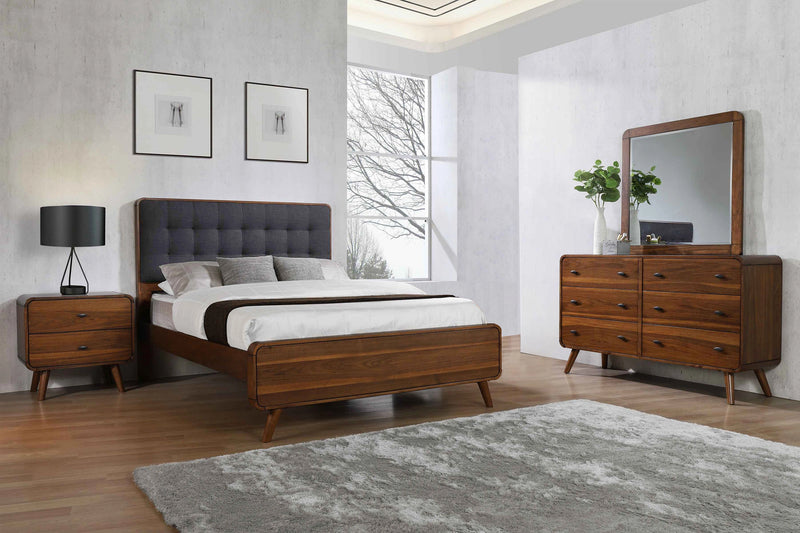
What about ash, birch, and other domestic hardwoods?
Ash and birch rank among the many domestic hardwoods available for Bedroom Furniture, joining walnut, cherry, maple, and oak as proven options for long-lasting pieces. These American-grown woods offer a compelling combination of strength and visual appeal that rivals more expensive imported species. Shoppers seeking furniture built to endure decades of daily use should consider these locally sourced alternatives before defaulting to tropical hardwoods.
Are ash and birch sustainable choices for bedroom furniture?
Domestic hardwoods like ash and birch are grown locally in America, making them environmentally responsible selections for furniture buyers. Choosing locally sourced wood reduces the carbon footprint associated with long-distance shipping and supports regional forestry economies. These species regenerate naturally across North American forests, ensuring a renewable supply without contributing to tropical deforestation.
How durable are ash and birch bed frames?
Ash and birch stand up to a lifetime of wear and tear when used in furniture construction. Ash offers exceptional shock resistance and a pronounced grain pattern that adds character to bed frames and dressers. Birch provides a fine, uniform texture with hardness comparable to maple, making it ideal for pieces that face regular handling like nightstands and drawer fronts.
|
Wood Type |
Hardness (Janka) |
Grain Pattern |
Best Use in Bedroom |
|---|---|---|---|
|
Ash |
1,320 |
Bold, straight |
Bed frames, headboards |
|
Birch |
1,260 |
Fine, subtle |
Dressers, nightstands |
|
Maple |
1,450 |
Tight, even |
High-wear surfaces |
|
Cherry |
950 |
Smooth, wavy |
Traditional styling |
The Janka hardness scale measures resistance to denting and wear. Ash and birch sit comfortably in the mid-range, outperforming softer woods like pine while remaining more affordable than premium options like walnut. Furniture constructed from these domestic hardwoods maintains its structural integrity through decades of assembly, disassembly, and relocation.
Should you avoid imported tropical woods for bedroom furniture?
Imported tropical woods like rubberwood, mango wood, mahogany, eucalyptus, Brazilian cherry, and teak carry serious ethical and legal risks for Bedroom Furniture buyers. These species are frequently harvested illegally from tropical rainforests and smuggled into the United States. Choosing locally grown American hardwoods eliminates this concern entirely.
Which imported woods carry the highest risk?
The six tropical woods most associated with illegal logging and deforestation include rubberwood, mango wood, mahogany, eucalyptus, Brazilian cherry, and teak. Each of these species grows in regions where logging regulations are poorly enforced or nonexistent. Vermont Woods Studios, a furniture retailer focused on American-made pieces, explicitly warns that these woods are "often stolen from tropical rainforest countries and brought here illegally."
What are the alternatives to imported tropical woods?
-
American black cherry – a domestic hardwood with rich color that deepens with age
-
Red and white oak – dense, durable, and widely available from U.S. forests
-
Hard maple – extremely hard-wearing with a subtle, uniform grain
-
American black walnut – a premium domestic choice with dark, chocolate-brown tones
These locally sourced options match or exceed the durability of tropical imports. American-grown hardwoods also support regional economies and reduce the carbon footprint associated with long-distance shipping. For shoppers seeking furniture made in the United States, excluding the six tropical species is the first step toward a responsible purchase.
How do you choose the best wood for your bedroom furniture?
Choosing the best wood for Bedroom Furniture requires balancing several practical factors. No single wood species works perfectly for every buyer. The ideal choice depends on budget, sleeper weight, mattress type, style, and whether a customer is buying a pre-made frame or building one. Skipping this evaluation often leads to a frame that warps, wobbles, or looks wrong within two years.
What role does budget play in wood selection?
Budget acts as the first filter. Domestic hardwoods like oak and maple cost more than softwoods or imported species. A customer spending under the pricing range typically finds better value in poplar or rubberwood. Those investing over the pricing threshold gain access to walnut or cherry, which offer richer grain and greater long-term stability. Spending too little on a softwood frame for a heavy mattress guarantees sagging within 18 months.
How does sleeper weight affect wood choice?
Sleeper weight determines the necessary wood density. A frame holding two adults over 200 pounds each needs a hardwood with a Janka hardness rating above 1,000. Oak and hard maple handle this load without creaking. Lighter sleepers under 150 pounds can use poplar or alder without sacrificing durability. Ignoring weight requirements causes joint failure and frame separation over time.
|
Factor |
Light Use (under 150 lbs) |
Heavy Use (over 200 lbs) |
|---|---|---|
|
Recommended wood |
Poplar, Alder, Rubberwood |
Oak, Hard Maple, Walnut |
|
Typical lifespan |
10-15 years |
20-30 years |
|
Price range |
pricing varies-pricing varies |
pricing varies-pricing varies |
Style and mattress type also matter. A platform bed for a thick memory foam mattress needs less structural reinforcement than a slatted frame for a heavy innerspring mattress. Customers who match wood species to their specific use case avoid costly replacements and enjoy furniture that lasts decades.
Frequently Asked Questions
What is the most durable wood for bedroom furniture?
Oak is generally considered the most durable wood for bedroom furniture because of its high Janka hardness and natural resistance to dents, warping, and daily wear. Maple, cherry, walnut, ash, and birch also offer strong, long-lasting performance, so the best choice depends on budget, sleeper weight, and desired look.
Is oak or maple better for a bed frame?
Both are excellent choices. Oak has bolder grain and slightly higher hardness, making it a traditional pick for heavy-use frames, while maple offers a tighter, more uniform grain and a cleaner, more contemporary look. Either species handles daily use and heavier mattresses without sagging or creaking.
What does Janka hardness mean for furniture wood?
The Janka hardness scale measures how well a wood resists denting and wear. Woods with a rating above roughly 1,000 lbf, such as oak, maple, and ash, hold up well under heavy mattresses and daily use, while softer woods like pine dent and scratch much more easily.
Should I avoid imported tropical woods for bedroom furniture?
Yes, it's worth being cautious with imported species like rubberwood, mango wood, mahogany, eucalyptus, Brazilian cherry, and teak, since they are frequently linked to illegal logging and unclear supply chains. Domestic hardwoods like cherry, oak, maple, and walnut offer comparable or better durability with a clearer sourcing story.
How do I choose the right wood for a heavy mattress or larger sleepers?
For two adults over 200 pounds combined or a heavy mattress, choose a hardwood with a Janka rating above 1,000, such as oak, hard maple, or walnut. Lighter sleepers under 150 pounds can typically use softer options like poplar or alder without sacrificing durability.
Unlock Incredible Value on Bedroom Furniture at Furniture Market Warehouse
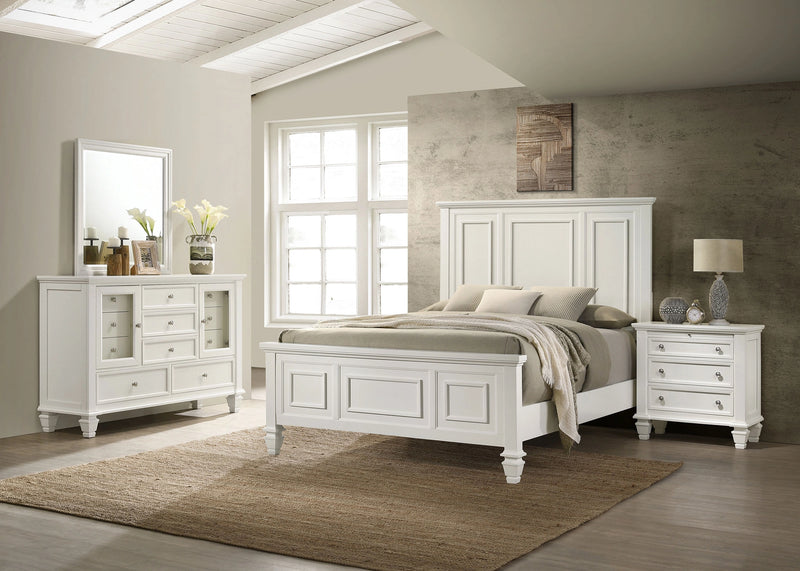
Your bedroom should be the most peaceful place in your home, and Furniture Market Warehouse makes creating that sanctuary both easy and affordable. Our warehouse-style approach means you get access to premium bedroom furniture, from plush upholstered beds and spacious dressers to sleek nightstands and smart storage solutions, at prices that traditional retailers simply can't match.
Every piece is selected for quality, comfort, and style, so you never have to choose between your budget and your vision. Don't let another night pass in a space that feels uninspired. Visit Furniture Market Warehouse today and discover why savvy shoppers trust us to deliver dream bedrooms without the dream-sized price tag.